These Leisure Activities Bring the Most Joy
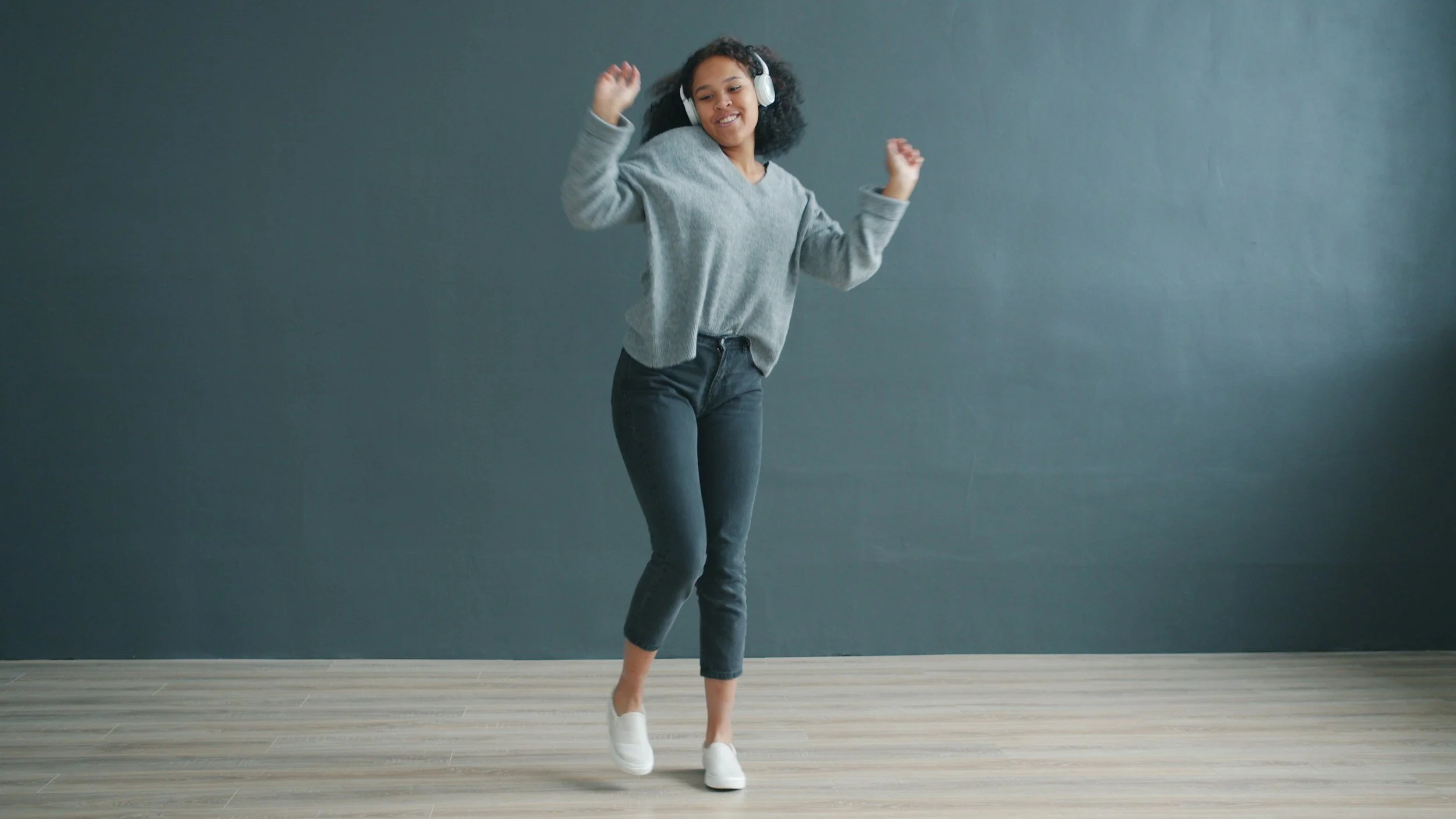
Listening to music brings us more joy than any other leisure activity studied. Just five minutes of your favourite songs generate far more positive feelings than five minutes of scrolling through social media. Photo: Unsplash
Researchers at the University of Sussex, together with media company Immediate, examined 21 common leisure activities. Nearly 2,200 people were asked how much joy their hobbies actually bring them.
The frontrunner in terms of frequency was scrolling through social media. It ranked among the three most popular activities and was also the one people engaged in most often.
But when it comes to enjoyment, scrolling landed at the very bottom: 21st out of 21. No other activity scored lower.
Scrolling flops, music and reading top the list
The study highlights a clear mismatch between how we tend to spend our free time and what genuinely boosts our wellbeing. What many people already sense intuitively is now backed by data.
The activity that brings us the most pleasure is listening to music. On a scale from 1 to 7, music scored 6.16. It was followed by playing a musical instrument (6.04), reading (6.00), crafting, and volunteering.

Reading a book instead of scrolling through social media adds more joy to everyday life. But because social‑media apps are always within easy reach, it helps to keep a book or other reading material close by. Photo: Unsplash
Choosing leisure activities more intentionally
Media consumption performed poorly overall. The best‑rated media activity was watching TV and even that only landed in 12th place. Robin Banerjee, Professor of Developmental Psychology at the University of Sussex, says the key to psychological fulfilment lies in “being more intentional about how we spend our leisure time.”
We should be guided more by our inner motivations and less by algorithms, Banerjee argues. It is telling, he says, that the activity we engage in most frequently is also the one that brings us the least joy. This is why the relationship between young people and social media is increasingly being scrutinised.
The findings “highlight the importance of hobbies that are emotionally enriching and socially stimulating,” Banerjee explains. “The study offers a powerful guide for improving personal wellbeing.”
Creative hobbies boost wellbeing and happiness
A 2024 study published in Frontiers in Public Health examined creative hobbies and found striking results: people who engage in arts and crafts tend to be more satisfied and happier overall. Activities included painting, drawing, crafting, photography, filmmaking, knitting, crocheting, pottery, jewellery‑making and digital art.
Of the more than 7,000 participants, around 37 percent reported having a creative hobby. Compared with the rest of the sample, these individuals were more satisfied with their lives, experienced a stronger sense of purpose and reported higher levels of happiness. The effects were consistent across social groups, age ranges, living situations and occupations.
Everyday tips for choosing leisure activities
Pick a hobby: A hobby boosts wellbeing, lifts your mood, reduces stress, improves mindfulness, strengthens social connections and friendships, and builds confidence. It is well worth finding and maintaining one.
Examples of beneficial hobbies: Some of the best hobbies for mental health include yoga, meditation, writing or journaling, cooking or baking, hiking or biking, drawing or painting, reading, fitness, games, music, gardening or joining a local club.
Mini‑check: Before or during any activity, do a quick self‑check. Is this good for me? Does it give me energy? Do I feel better afterwards?
Choose intentionally: Studies show we often default to whatever is most accessible. Phones and social‑media apps are always within reach. Prepare alternatives: keep books and magazines nearby, queue up music, and place your phone out of reach.
Short‑burst hobbies: Social media feels tempting because it promises a quick break (“just three videos”). But we often stay longer than intended. Alternatives can also come in small doses: listen to a favourite song, read a short article, devour a book chapter, fix something small or hang a picture.
Music for every mood: Let your mood, not the algorithm, guide your music. Create playlists for different emotional states.
Allow creativity: If you enjoy painting or crafting, do it. It doesn’t have to be a masterpiece. Children create simply because it’s fun. Adults often develop overly high expectations. You don’t need to be Van Gogh. What matters is the flow, the expression, the joy of creating.
Use media in moderation: Social media doesn’t need to be demonised, just limited. Many apps allow time limits. YouTube can send reminders after a set number of videos or minutes. This helps you notice how long you’ve been scrolling. When engaging in other hobbies, even just watching TV, put your phone aside and on silent.
Sources
University of Sussex / Immediate: Secret to joy revealed – stop doom scrolling and be more intentional with your leisure time
Nature Medicine: Hobbies for mental health
Great Lakes Psychology Group: 14 Hobbies for Mental Health Support
Nature Medicine: Hobby engagement and mental wellbeing among people aged 65 years and older in 16 countries
Frontiers in Public Health: Creating arts and crafting positively predicts subjective wellbeing
Get your weekly dose of good news every Wednesday morning. We'll send you all the new Happy Spot articles with quick summaries, along with the week's top headlines featuring good news worth reading.